



Reaction Disclaimer

What do you do with chemistry?
‘I am research coordinator of the ‘Circular Industry’ research line at the Sustainable Industry research centre at Karel de Grote University of Applied Sciences. We focus on valorising biomass residual and side streams. Our research is strongly practice-oriented: every project takes place in close collaboration with industry. We work step by step towards sustainable, feasible and concrete solutions based on existing technology — for example by converting residual streams from the food industry into biobased chemicals, or by helping companies process sewage sludge from wastewater treatment more intelligently.’
What gives you the most energy in your work?
‘I draw most of my energy from collaboration: connecting people and ideas and building something new together. I find great satisfaction in developing project ideas with partners and shaping them step by step. The best part, of course, is when you see that those projects genuinely make a difference in industry — such as the tool we developed to help companies choose more sustainable solvents and effectively integrate them into their existing products or processes.’
What is a hobby or interest that people might not immediately expect of you?
‘Most colleagues and friends are well aware by now that I’m a fanatical runner, but what fewer people may know is that I’m also a beekeeper — or rather: was one. Due to a house move and renovations, I no longer have bees at the moment, but I want to start again as soon as possible. A whole new world opens up when you immerse yourself in the life of honeybees. By closely monitoring the bees, you naturally develop a greater feel for everything that grows and blossoms. Is the willow in bloom? Are there wasps or hornets nearby? There is often a link with chemistry too: what is the Brix index of the honey? Are there pesticides in the beeswax? How do you get spring honey to crystallise as finely as possible? Beyond that, I’m a recreational night owl, and during holiday periods you’ll find me in a canoe or with a rucksack on my back.’
Why do you think it is important to be a member of the KVCV and the Kekulé section?
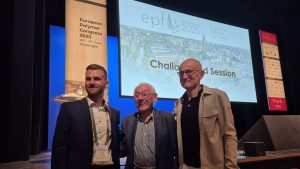
‘I think it’s wonderful to be able to play my part in the Kekulé cycle. This lecture series brings together students, professionals and academics every two years around burning topical issues. I am continually impressed by the strong programme that the Kekulé team puts together and the high calibre of speakers we are able to attract. Alongside the content programme, the networking element remains extremely important. In this post-covid era, we make a very deliberate choice for an in-person event, with sufficient time and space for conversation afterwards. We genuinely believe that these encounters remain valuable: academia and industry meet in an informal setting, students can make contacts with potential placement opportunities and are, we hope, inspired for their future careers.’
What does the fort in the photograph mean to you?
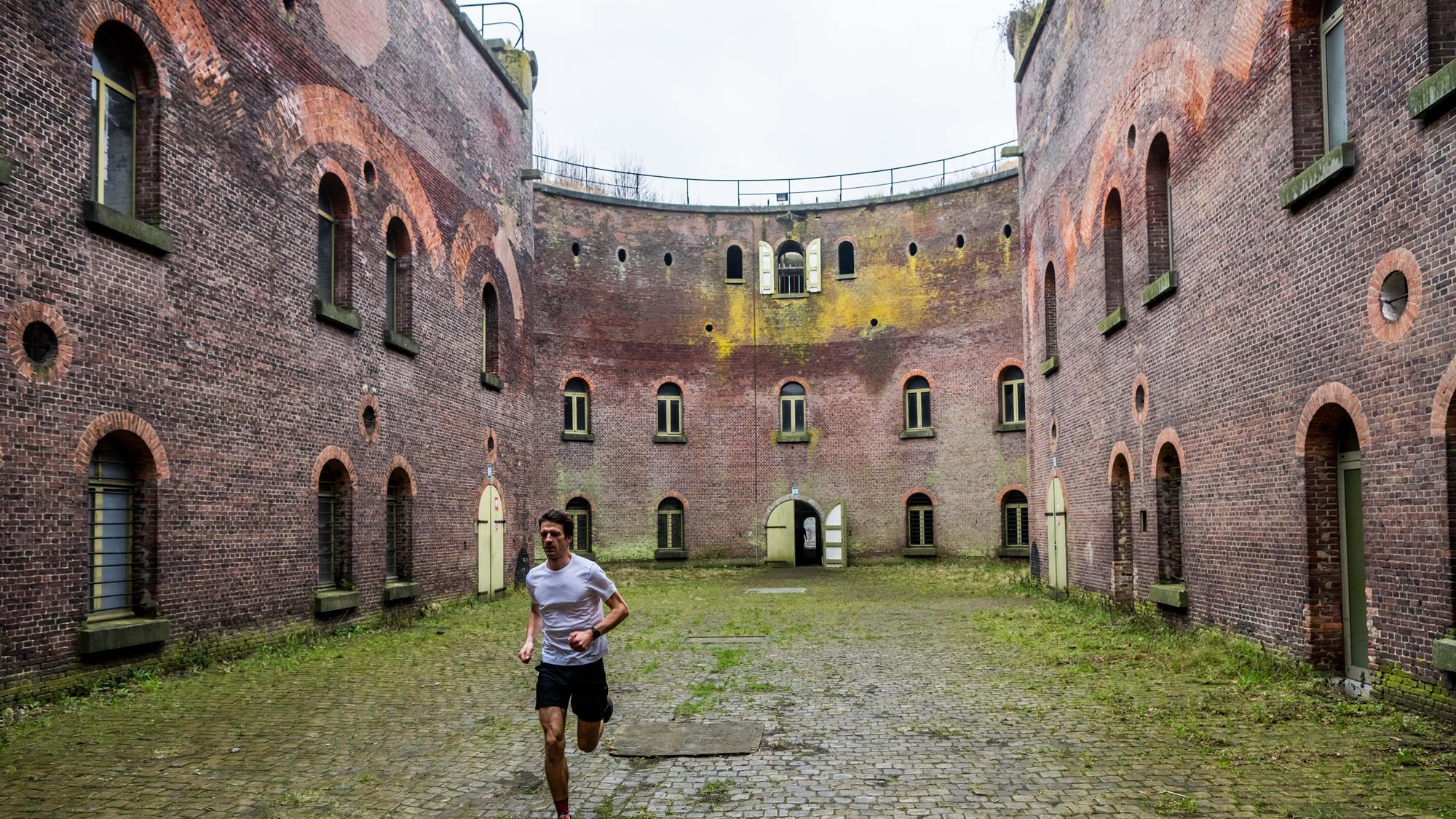
‘This was taken during a race organised by the local athletics club at fort 8. This fort is one of my favourite running spots and forms part of the ring of forts around Antwerp. The Brialmont forts were built between 1859 and 1914 for the defence of the city. Most of these forts are now open to the public and serve as green spaces where you can run or walk. In the photograph you can see the inner fort, which is not always accessible to the public.’
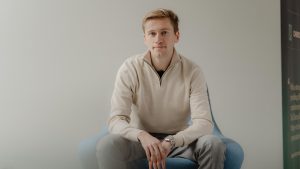
Hannes Sels is research coordinator for ‘Circular Industry’ at Karel de Grote University of Applied Sciences


Every Wednesday in your inbox: the latest chemistry and life sciences news from the Netherlands and Flanders, plus analyses, background stories and more!


No comments yet
Only registered users can post comments on this article.
Log in or register to comment.