


Reaction Disclaimer

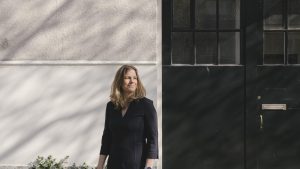
Dankers uses her knowledge of polymeric materials to solve medical problems. Plastics, or synthetic polymers, have enormously transformed our lives over the past hundred years. These polymeric materials have varied applications, ranging from everyday plastic sandwich bags to essential medicines and vaccines. In the pursuit of more advanced applications within the biomedical sector, the need for polymeric materials with more complex properties is growing. Dankers poses the questions: ‘Wouldn’t it be fantastic if plastics could break down on demand in response to an external signal? And wouldn’t it be a godsend if plastics could behave like living materials?’
Dankers draws inspiration from the complex natural material in which cells are embedded — the extracellular matrix — and mimics the properties of this natural matrix. ‘The goal is to create materials that are bioactive and capable of performing new functions across different time and length scales. Ultimately, synthetic materials will become natural!’
Following her receipt of the Gold Medal, C2W | Mens & Molecule spoke with Dankers in 2021 about her intriguing passion for both chemistry and medicine, and how she combines these interests in multidisciplinary research. You can read the full interview here.
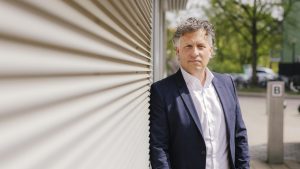
Neefjes has spent years dedicating himself to researching a widely used form of chemotherapy: anthracyclines. Although anthracyclines such as doxorubicin have been around for half a century, they remain of vital importance in the treatment of cancer. However, anthracyclines are also highly toxic, which not only hampers the effectiveness of treatment but also leads to considerable long-term effects on patients’ quality of life, such as the potential need for a heart transplant. So what do you do when you can develop a less toxic variant of doxorubicin, but lack a strong patent position?
Supported by Veronica van Nederveen of the Stichting Patientenstem.nu, Neefjes discusses the approach to developing cancer drugs at the interface between academia and industry. Neefjes: ‘This route is costly and unfavourable for traditional academic output — in effect, academic suicide — yet it remains of crucial importance for the well-being of cancer patients.’ During the Avond van de Chemie, Nederveen and Neefjes will jointly discuss the impact that academic research has on patients.
Back in 2019, Neefjes told C2W | Mens & Molecule how he came to find himself in immunology, and reflected on the beginnings of his research into the ‘forgotten’ drug. Read the full interview here.
Interested in the Avond van de Chemie? Read more about the programme and registration here. KNCV members and their guests can attend the Evening free of charge this year. All other interested parties are also most welcome; admission is €20,-


Every Wednesday in your inbox: the latest chemistry and life sciences news from the Netherlands and Flanders, plus analyses, background stories and more!


No comments yet
Only registered users can post comments on this article.
Log in or register to comment.