



Reaction Disclaimer

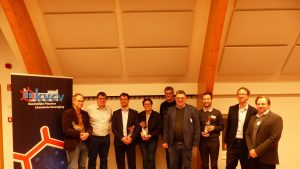
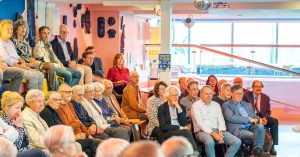
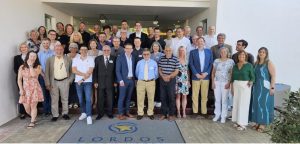
The journey to the offices of Chemistry Europe in Weinheim already had something poetic about it: I left Belgium via the E314 and, after passing the chemical cluster Chemelot in Geleen, began my journey southwards, leaving the motorway three hours later just beyond the BASF Ludwigshafen installations. Two well-packed days of presentations and group discussions on the publication process followed. We learned what role the editors play and why it can sometimes take a very long time to secure sufficient reviewers. The presentations were invariably followed by group discussions in which the early career researchers formulated concrete recommendations to further streamline the process.
A central element throughout the entire programme was the participation of the editors-in-chief of the various Chemistry Europe journals. Suddenly, those editors were more than just names on a website or in the opening line of a cover letter. The editors shared the same concerns and worries regarding scientific publishing. This became apparent in a second part of the meeting, which focused on science communication. Authors and publishers alike want nothing more than for published articles to be read. Various workshops shared tips on effectively disseminating publications, including via social media. The popular science journal Chemistry Views deserves a special mention in this regard as a valuable ally.
The atmosphere during the meeting was very open and constructive, which meant that several thorny issues were also addressed. One of these concerns the shift towards open access, which is actively being promoted by European and national funding bodies. However, the additional high costs are placing pressure on research budgets. The editors were clearly uncomfortable with this criticism and attempted to placate attendees with the argument that we are currently in a transitional phase. Several European countries, including the Netherlands, are already making arrangements to offset the costs already incurred for open access publications against subscription packages offered to university libraries. After all, nobody likes paying twice for the same content. It is then up to the universities to ensure that the freed-up resources flow back to the researchers. Let us hope that Flanders will soon follow this example.
With regard to Chemistry Europe, it must finally be said that both authors and chemical societies receive a great deal in return. The editors actively contribute to promoting articles, and the chemical societies receive royalties based on the number of articles published from each country in the Chemistry Europe journals. With these royalties, the chemical societies are able to offer incentive awards and travel grants. KVCV and KNCV members therefore stand to benefit greatly from considering the Chemistry Europe journals for all their future contributions.

Every Wednesday in your inbox: the latest chemistry and life sciences news from the Netherlands and Flanders, plus analyses, background stories and more!


No comments yet
Only registered users can post comments on this article.
Log in or register to comment.